


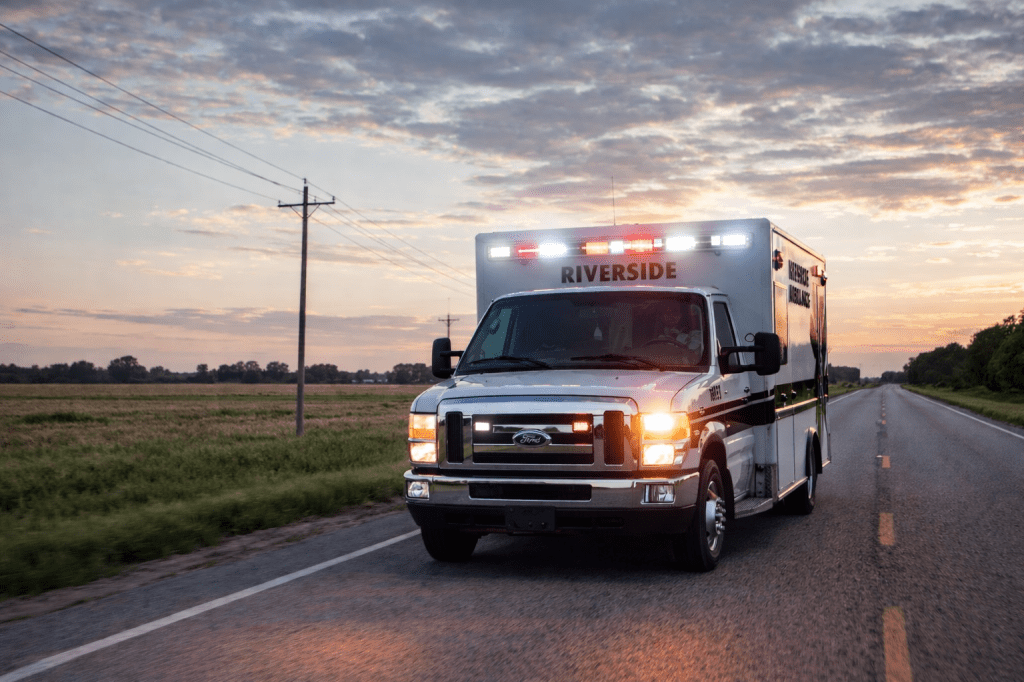
We understand. There’s something exciting about your first clinical ride. After weeks of lectures, skills labs, and practicing on classmates who dramatically pretend to have chest pain, you’re finally climbing into an actual ambulance. This is the moment where the classroom starts becoming real. It’s also completely normal to be nervous.
Every EMT, paramedic, nurse, physician, and firefighter has had a “first day.” Nobody expects you to know everything. Your goal isn’t to impress the crew by acting like you’ve been doing this for ten years. Your goal is to learn.
Here are a few things that will make your first clinical experience far more successful.
1. Show Up Early
If your shift starts at 7:00 a.m., don’t show up at 6:59… Seriously. Punctuality is a must.
Aim to be there about 15 to 30 minutes early. Introduce yourself, shake hands, and let the crew know you’re there to learn. That extra time gives you a chance to get comfortable, ask questions, and avoid starting the day feeling rushed.
First impressions are absolutely a big deal
.

2. Bring the Right Attitude
You don’t have to know everything… In fact, nobody expects you to. What crews appreciate way more than knowledge is humility. Ask questions. Listen carefully. And most of all be willing to accept feedback.
If someone corrects you, don’t take it personally. Every correction is an opportunity to become a better provider. The students who improve the fastest are usually the ones who admit they don’t know something.
3. Be Willing to Help
If the stretcher needs cleaning, help. If supplies need restocking, help. If equipment needs carrying, help. EMS is a team sport. Nobody enjoys working with someone who disappears every time there’s work to do. You don’t have to wait for someone to ask. Look around and jump in when appropriate. If you’re on scene and you aren’t comfortable doing something, say something. The crew members you’re riding with will appreciate the honesty and guide you.
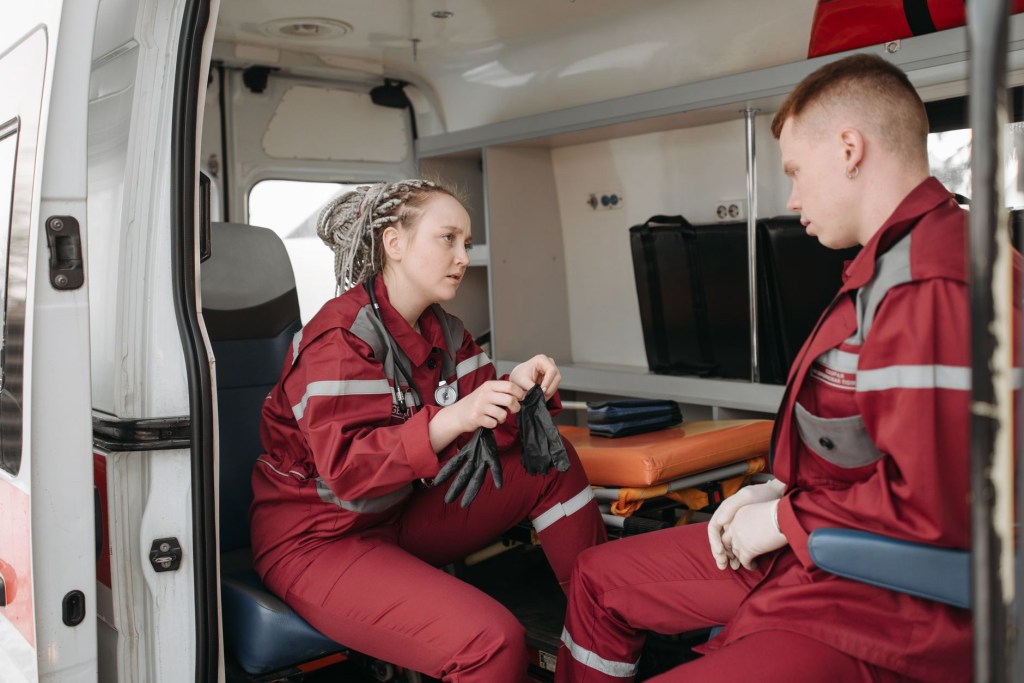
4. Put Your Phone Away
Unless you’re using it for school or the crew specifically tells you it’s okay, keep your phone in your pocket. Patients notice. Families notice. Your preceptor definitely notices. One of the quickest ways to create a poor impression is looking more interested in social media than the patient sitting ten feet away.
Even if you and the crew are just sitting at the base, use that opportunity to ask questions to the people who are actively doing the job you’re about to enter into. If there’s anything you’re hesitant about, now is the time for clarification.
5. Talk to Your Patients
Many students become so focused on equipment that they forget there’s a human being attached to it. Introduce yourself. Tell the patient you’re a student. Smile. Actively listen. Some of the most valuable lessons you’ll learn won’t come from a textbook. They’ll come from conversations with people having one of the worst days of their lives. Watch the crew members you’re riding with. See how it seems like they’re just having a conversation? See how it seems like just meaningless jabber?
Listen closer… those crew members are gathering a history and assessment on that patient. But, they have perfected it into an art. They aren’t reading down a list of questions, they’re making it an engaging conversation with the patient.
6. It’s Okay to Be Nervous
Everyone is. Your hands might shake while taking a blood pressure. You may forget something simple. You may stumble over your hospital report… That’s okay. Confidence comes from repetition, not perfection. Every experienced provider you admire has made mistakes, forgotten equipment, and had moments they’d rather forget… Trust us. The difference is they kept showing up.
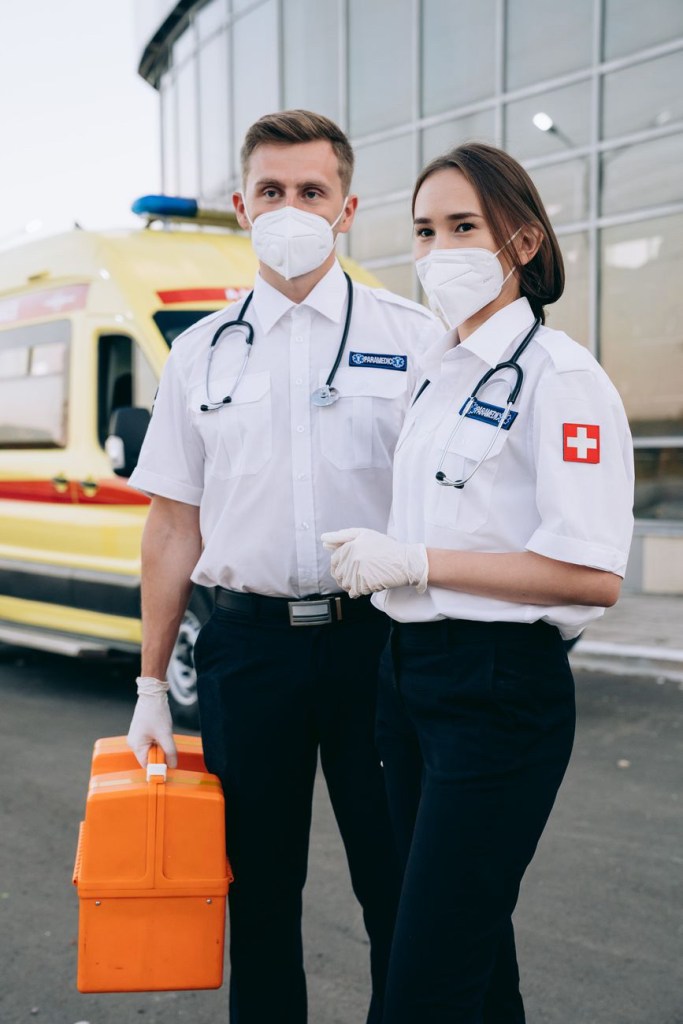
7. Ask “Why?”
Anyone can memorize a protocol… Seriously. Anyone. Great clinicians understand why they’re doing something. Why are we choosing this medication? Why did we decide to transport to this hospital? Why was that assessment so important? Most experienced providers enjoy teaching students who genuinely want to understand the reasoning behind patient care.
8. Remember That Every Call Is Someone’s Worst Day
It’s easy to become fascinated by the lights, sirens, and adrenaline. But for your patient, this isn’t an exciting experience. They’re scared. They’re hurting. They’re worried… Never lose sight of that. Technical skills can save lives. Compassion changes lives. The best providers have both.
9. Nobody Expects Perfection
You are not there because you’re already an EMT. You’re there because you’re becoming one. Ask to perform skills (in your scope of course). Volunteer when opportunities arise. Challenge yourself. But don’t measure your success by whether you were perfect. Measure it by whether you learned something on every call.
Welcome to EMS
Your first clinical ride won’t be perfect. You’ll probably forget where something is. You’ll likely feel overwhelmed. You’ll replay every patient encounter in your head on the drive home. That’s all part of becoming an EMS professional. Years from now, you’ll barely remember the nerves, but you’ll remember the crew who took the time to teach you. And one day, you’ll be that experienced provider riding with a nervous student for the very first time. When that day comes, remember what it felt like to be in their shoes.
Because the future of EMS starts with how we teach the next generation.
 Riverside Ambulance