


When most people see an ambulance without flashing lights or a siren, they assume one of two things:
“They must not have a patient.”
Or…
“It can’t be a real emergency.”
The truth is, neither is necessarily correct. EMS professionals make careful decisions about when to use lights and sirens, balancing the patient’s needs with the safety of everyone on the road. Here are five reasons why your ambulance may not be using lights and sirens.
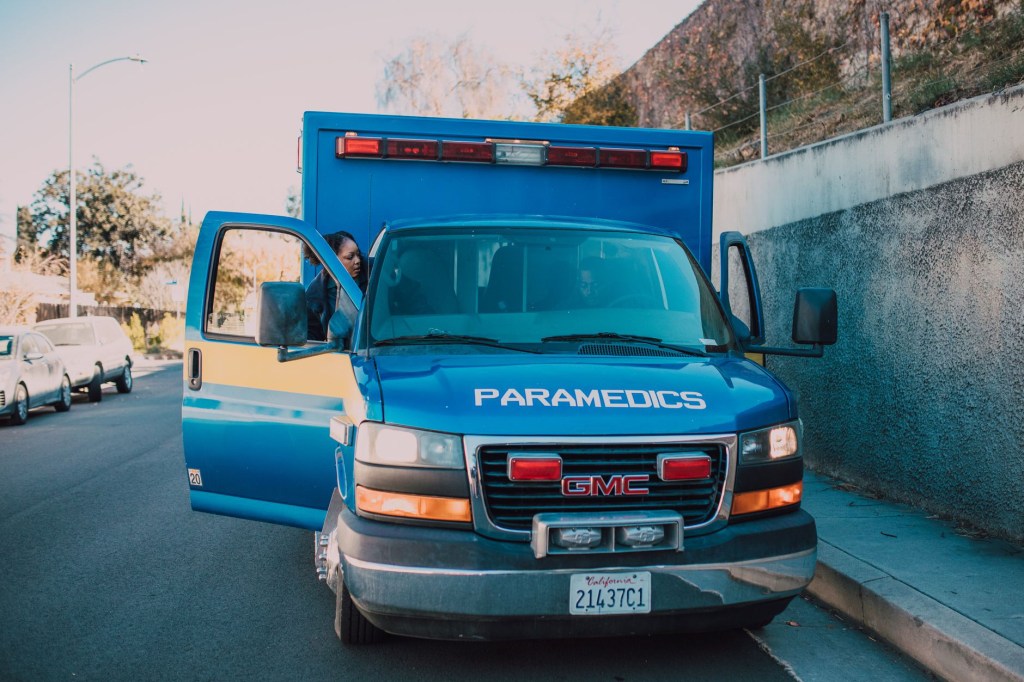
1. Not Every Medical Emergency Requires an Emergency Response
Every patient is different. While some conditions such as cardiac arrest, severe trauma, or certain strokes require the fastest possible transport, many others can be treated safely while driving under normal traffic conditions. EMS crews continually assess the patient’s condition and determine the safest way to reach the hospital. That decision is based on medical judgment, not simply on whether someone called 911.
2. Lights and Sirens Usually Save Less Time Than People Think
Many people imagine an ambulance can shave 10 or 15 minutes off a trip by using lights and sirens but, research tells a different story. A comprehensive review of literature from NAEMSP and the NREMT found that using lights and sirens typically saves between about 40 seconds and 3½ minutes, depending on the setting. In many cases, that small time savings does not change a patient’s outcome.

3. They Increase the Risk of Crashes
Every intersection becomes more dangerous when an emergency vehicle is operating with lights and sirens. A large national study using more than 19 million EMS responses found that ambulances using lights and sirens had a significantly higher risk of being involved in crashes, especially while transporting patients to the hospital.
Our responsibility isn’t just getting to the hospital quickly. It’s getting everyone there safely.
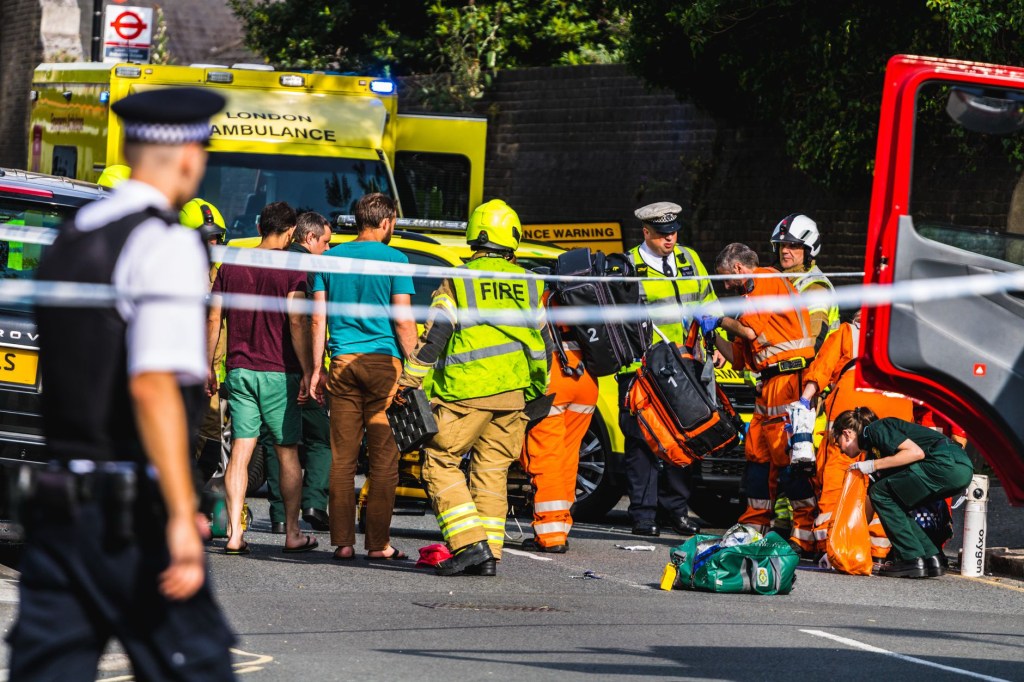
4. The Patient May Already Be Receiving the Care They Need
Modern ambulances carry advanced medical equipment and highly trained clinicians. Many treatments like oxygen therapy, medications, cardiac monitoring, IV therapy, airway management, and continuous assessment begin way before the patient reaches the emergency department. The dats of just loading a patient up and driving them to the hospital like a taxi are over. Sometimes the safest option is to continue providing excellent care while driving normally instead of introducing additional risk with an emergency response, especially during times of harsh weather.
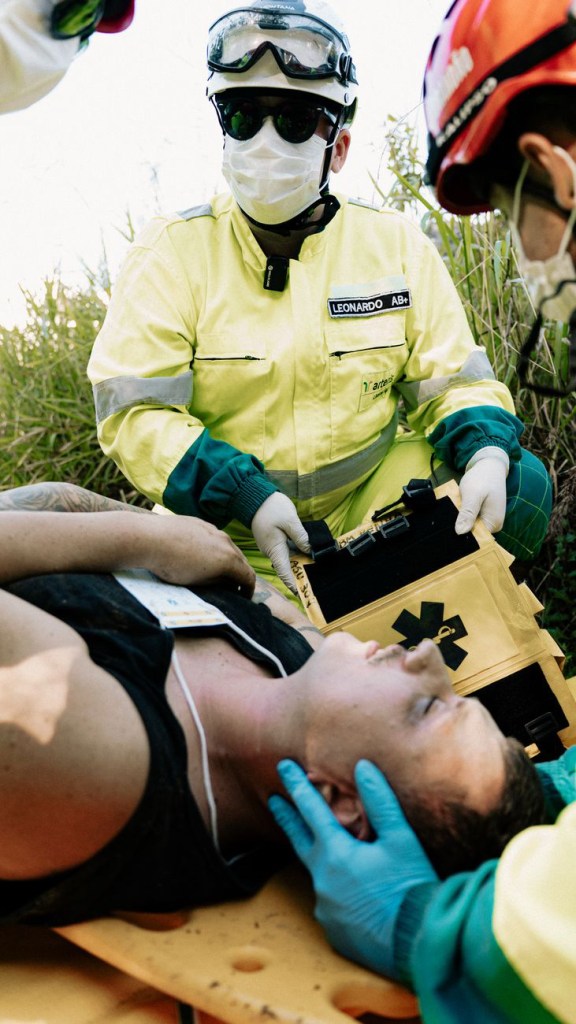
5. Safety Is Part of Patient Care
Every decision EMS providers make has one goal, and that is doing what’s best for the patient. That includes protecting the patient, the crew, and every other driver sharing the road. National EMS organizations, including the National Association of EMS Physicians, the American Ambulance Association, the National Association of Emergency Medical Technicians, and other leading EMS organizations recommend using lights and sirens only when the expected benefit outweighs the added risk.
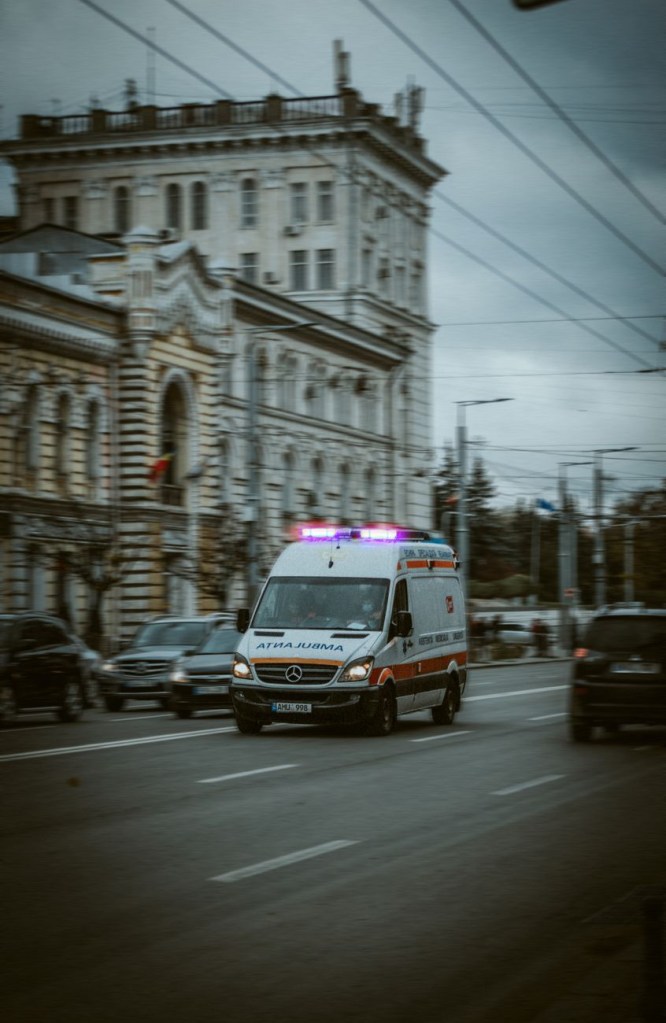
The Bottom Line
Seeing an ambulance without lights and sirens doesn’t mean the crew isn’t busy or that the patient isn’t important. More often than not, it means the crew has determined that the safest way to care for their patient is also the smartest.
At Riverside Ambulance, every decision we make is guided by one simple principle:
We don’t just want to arrive quickly, we want everyone to arrive safely.
 Riverside Ambulance