


When someone calls 911 for a medical emergency, most people picture the ambulance arriving with lights and sirens. But there’s an entire chain of events that begins way before we pull into the driveway.
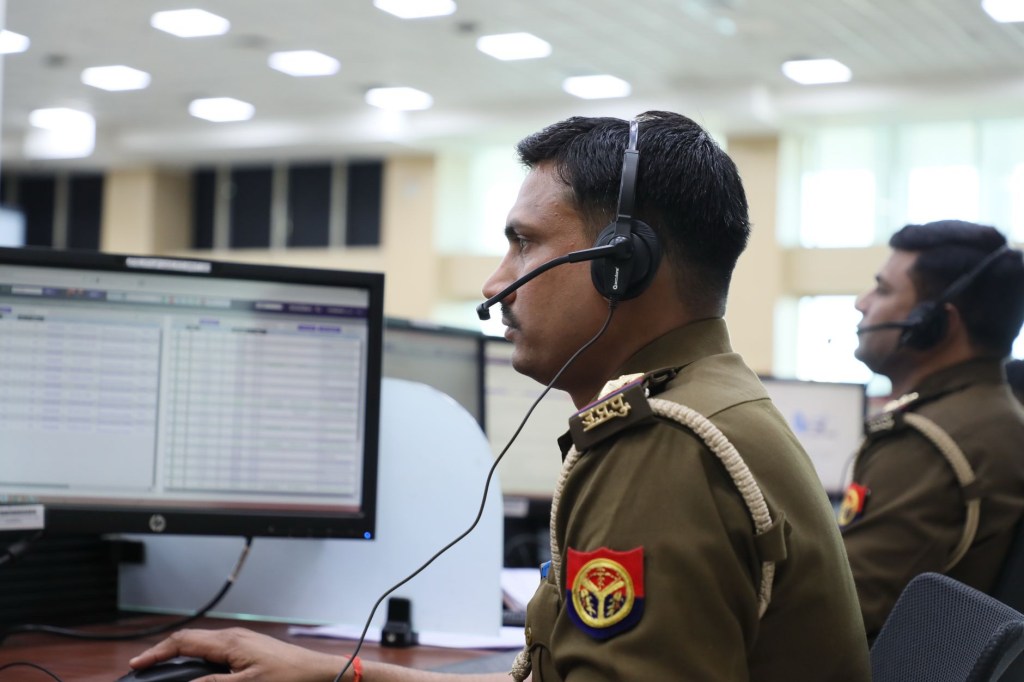
The moment your call reaches the dispatcher, questions begin. Where are you? What’s happening? Is the patient breathing? Are they awake? Those answers help determine the resources that are needed and provide responding crews with valuable information before we ever arrive.
While we’re driving to you, we’re already thinking ahead. Based on the information we receive, we’re preparing equipment, discussing possible medical conditions, planning the safest route to the scene, and anticipating what we’ll need to do in the first few minutes after arrival.
Those first moments truly matter. When we step out of the ambulance, our job isn’t simply to transport someone to the hospital. Our first responsibility is to understand what’s happening. We assess the patient, gather information, begin treatment if necessary, and decide what level of care is needed.
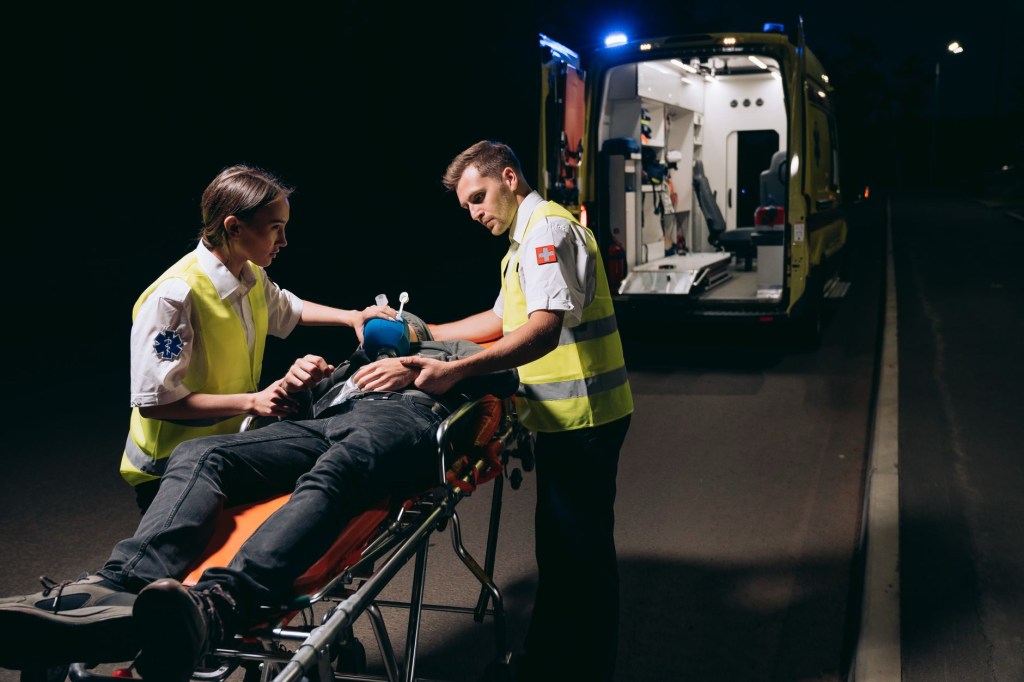
Sometimes that means treating a life-threatening emergency. Sometimes it means helping someone who has fallen and can’t get back up. Sometimes it just means calming a frightened family while we care for someone they love. No two calls are exactly alike.
One of the things people are often surprised to learn is how much of our job involves communication. We listen to patients. We gather medical history. We speak with family members, caregivers, nurses, physicians, firefighters, and law enforcement. Good communication is just as important as good clinical skills.
We also know that emergencies are stressful. People may not remember everything we say, and that’s okay. Our goal is to bring order to what often feels like chaos. We want patients and families to know that someone is there to help guide them through an incredibly difficult moment.
At Riverside Ambulance, we’re proud to serve our communities every day. Whether it’s responding to a medical emergency, providing community education, or simply answering questions about EMS, we’re honored to be a part of the places we call home.
We hope you never need to call 911.
But if you do, know that long before you see the ambulance pull into your driveway, a team of people are already working together with one goal in mind: getting help to you as quickly and safely as possible.
 Riverside Ambulance